And if he have not before disposed of his goods, let him then be admonished to make his Will, and to declare his debts, what he oweth, and what is owing unto him; for the better discharging of his conscience, and the quietness of his Executors. But men should often be put in remembrance to take order for the settling of their temporal estates whilst they are in health.
These words before rehearsed may be said before the Minister begin his Prayer, as he shall see cause.
The Minister should not omit earnestly to move such sick persons as are of ability to be liberal to the poor.
The Visitation of the Sick, Rubrics, 1662 Book of Common Prayer
A Pastoral Duty Too Often Deferred
Upon his visitation, the minister is required to admonish the ill to make a will and provide for his or her last affairs. Because this rubric is placed within a pastoral visitation, it is rarely acted upon and is regrettably brought to the minister’s attention at a time in which the parishioner may have little time or rationality to dictate their last will and testament.
The solution is not to dismiss this duty, but for clergy to take it up. The rector’s flock need reminding and advising. It is not a duty to be shirked, ignored, or buried amid “more pressing matters” but one that should be brought forward into the life of a rector’s ministry. The 2019 Anglican Church of North America prayer book emphasizes this need, reminding parishioners of their duty to attend to their last affairs before they arrive at their last affair:
The Book of Common Prayer has always admonished Christians to be mindful of their mortality. It is therefore the duty of all Christians, as faithful stewards, to draw up a Last Will and Testament, making provision for the well-being of their families and not neglecting to leave bequests for the mission of the Church. In addition, it is important while in health to provide direction for one’s own funeral arrangements, place of burial, and the Scripture readings and hymns of the burial liturgy, and to make them known to the Priest.
– Pastoral Rites, Regarding Christian Burial and Death, 2019 Book of Common Prayer at p. 246
Preparing Faithfully for Our Last Things
The sad reality is we do not think upon the reality of our own death, ironically, even as Christians. We have become too post-modern in our thinking and far more beholden to the zeitgeist infecting Western lands with Eastern deceptions of death. Death is still an enemy to be defeated, whom Christ has conquered and shall destroy in the pit of fire upon His judgment. Christians, of all people, need not fear it, much less ignore it. We should look at the conquered foe in the eye, all the while preparing for our own end spiritually, and for those who survive us, materially.
Too often, we think we are further from death than we truly are. Or, in a false humility, we think we have too little worth distributing. However, we are not our own, and that goes for our souls, our bodies, and all that is given to us as stewards in this life. Therefore, the cure of souls should tend to his flock and have avenues to discuss the duty and ability of every Christian to write their will and properly dispose of their possessions.
Notably, the classic prayerbook focuses on several reasons for this. Settle the debts you owe and leave it not to your estate and children to handle. Keep an accounting of what you are owed, so your family will not miss what will be due to them. Make life easier in the tragedy of one’s passing, so your executors will not be grieving and searching for what they need to handle and close your estate. And do not neglect nor forget the poor; instead, give liberally to those in need as one final act of charity.
This is a ministry opportunity. Rectors should consult and collaborate with parish members who practice law in estate planning alongside financial professionals and insurance agents who are within the Church, offering a class on what needs to be considered and accounted for in taking care of one’s family after their death. This modern life overcomplicates even death, adding costs and concerns and worries that hopefully can be minimized and handled well before we see our Lord face to face. It is as much a mercy ministry and good stewardship ministry as anything else within the church. Parishioners who need help can find help within the parish from the right professional – preferably at a reduced rate and pro bono for those financially distressed. We are brothers and sisters in Christ, and we need to look after one another, for yes, we are our brother’s keeper.
A Blessing for Generations
The ACNA prayer book likewise brings this to the forefront, urging not only that this is done in good health, but also remembering Christ’s bride, the Church. We should encourage wills among the faithful in order to benefit the next generation. Those who can donate land can help the mission church move from a shopping mall to a building with a legacy. A will can provide the Church not only with financial stability but also spiritual stability. An endowed curacy will ensure the next generation of rectors are formed well and sent out into new and existing parishes. Simply put, a will provides means for the Church to continue and grow her ministry to those in the Church Militant – family, friends, and the generation to come. The smallest gift can ensure a prayer book is in the pews, a Bible in the baby believer’s hands, and a catechism in the confirmand’s library.
Yet the will, necessary as it is, only serves as the beginning of the end.
Acknowledging Gifts Within the Parish
Hosting a class and inviting parishioners with professional expertise to help the Church is an easy start to a much wider ministry. The Church, as the body of Christ, is full of different members. A foot here, an ear there, a hand elsewhere. Parishioners serve in many varying vocations and with countless talents. Oftentimes, we limit the use of those vocations or talents to how they can serve the worship in the Church, and we fail to think outside the box about how they can help one another.
Parishes should develop vocational and skill lists to circulate within the parish. Think of it as a Vocational/Skill Directory. Typically, a parish will have a church directory with a photo and relevant contact information. However, it would benefit both those in need of a skill and those who have the skill by connecting the two together within the Church. As the family of God, why would we not want to help one another internally before hiring someone unknown beyond the parish? Let the family in need of a carpenter hire the carpenter within the Church. My personal practice is to inquire within the parish so I can hire within for a home project or a service needed before looking elsewhere.
The economic uncertainty families face within our own local parishes can be relieved in part by hiring from within. However, unless one knows what those vocations and skills are, how can they be hired? Hence, the suggestion of adding vocations and skills to the Parish Directory. Such skills should not be limited by how the world defines a job, but should include everything from tutoring, seamstressing, etc. Furthermore, considering how directories have become antiquated and less common, a parish could host a weekend vocation/skill/job fair that provides an opportunity for parishioners to share their talents with others. It builds networks, fellowship, and common bonds within the parish to make it stronger, in addition to building awareness about one’s own abilities. Finally, a job posting board on the parish newsletter or even on an old-fashioned bulletin board could help one family help another by employing the father or mother.
This focus on helping each other within the body of Christ is not limited to grown adult members. Hiring the teenage youth for projects and giving them experience is an easy avenue to help one another. Creating a mentorship/discipleship program to introduce young college and high school students to potential careers will form them in the faith and teach them how to be a godly man or woman in the workplace. This can lead to opportunities for internships and apprenticeships for our young members that not only help them to obtain employment, but, Lord willing, to keep the faith because they are walking and learning alongside older disciples of Christ.
Legacy Begins Today
We are a family. Let us think as such and live as such. We belong to God; let us belong to one another in love and charity – not simply on Sunday, but every day. The worker certainly deserves their wages – let us pay those within the parish, and let those who do the work charge fairly and reasonably to their fellow member of Christ’s body.
Although it can begin with a will, which considers our last things, I invite you to consider where this leads while we have breath in our lungs. Every time we can serve one another with our talents and compensate the worker fairly, we are loving one another. During troubling economic times, let us tend to the household of faith. When the rising generation faces greater uncertainties, let us certainly surround them with the opportunities and discipleship of walking with Christ and learning the vocational skill set to give them a brighter future. For most of us, our richest inheritance is locked away in no will, but is investing in and helping the next generation to start well, anchored to Christ, and able to marry and start families of their own.
That is a lasting legacy.
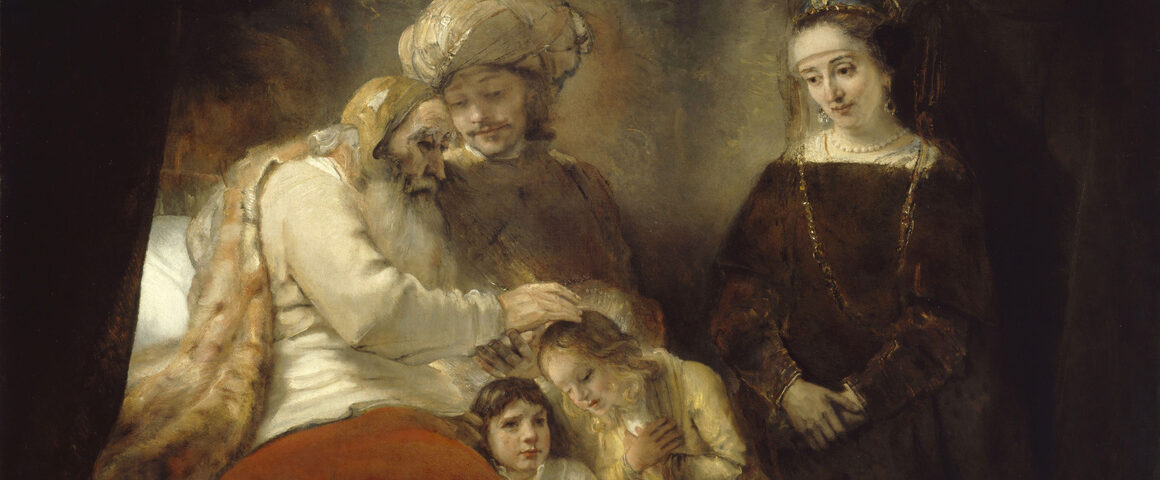
Image source Wikimedia Commons.